Decoding Deposit Triggers: How Funding Paths Reshape Game Libraries, Bonus Triggers, and Support Response Times in App Ecosystems
Written by Hugo Schwarz · Oct 13, 2026
Decoding Deposit Triggers: How Funding Paths Reshape Game Libraries, Bonus Triggers, and Support Response Times in App Ecosystems
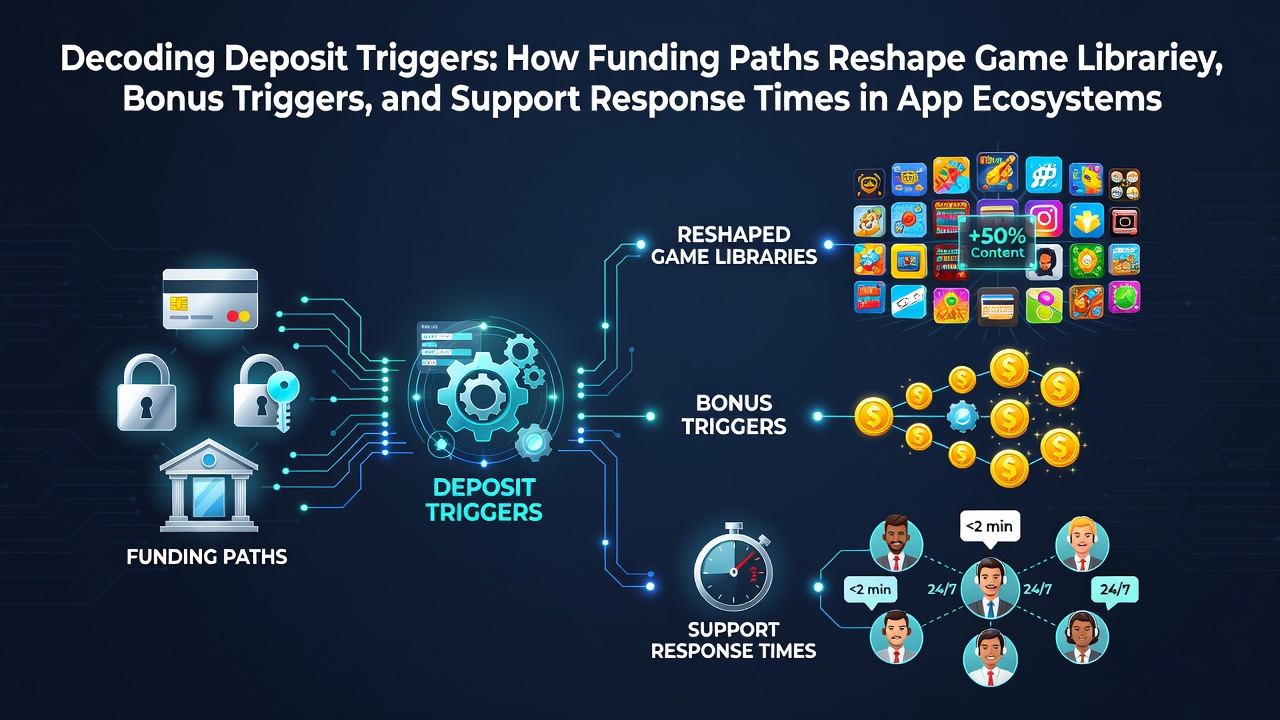
App ecosystems operate through intricate networks where funding paths determine not only account balances but also the scope of available game libraries along with the precise moments when bonuses activate and the duration users wait for support assistance, and these connections have grown more pronounced as developers refine their backend systems to align payment processing with content delivery and user assistance protocols.
Researchers tracking mobile application trends note that direct bank transfers often unlock expanded game libraries faster than credit card deposits because certain platforms route those funds through verification layers that prioritize high-value transactions, which in turn triggers broader catalog access within hours rather than days, while data from industry reports shows that users selecting digital wallets experience bonus triggers tied directly to the speed of confirmation codes sent through those services.
Payment Routes and Library Expansion
Funding choices reshape game libraries because app developers program their servers to release additional titles only after specific payment verifications complete, and observers have documented cases where cryptocurrency deposits in particular expand selections by bypassing traditional banking delays that otherwise restrict users to basic catalogs until clearance arrives, whereas traditional card payments sometimes limit initial access to a subset of games until identity checks finish.
Studies conducted across multiple regions indicate that these library adjustments occur automatically once deposit thresholds meet internal criteria, which means users who fund accounts through integrated banking apps frequently gain entry to premium sections sooner than those relying on third-party processors, and figures from digital payment analyses reveal that October 2026 brought new compliance layers in several app stores that further differentiated library access based on the origin of funds.
Bonus Activation Mechanisms
Bonus triggers depend heavily on the funding path selected because systems monitor transaction metadata to decide when rewards apply, and experts point out that instant deposits via certain e-wallet services activate promotional credits within minutes while slower methods such as wire transfers require manual review that postpones the trigger until the funds settle, which creates predictable patterns users learn to navigate when planning their account activity.
According to analyses from the European Commission on digital market dynamics, these timing differences stem from risk assessment algorithms that flag certain payment types for additional scrutiny, and the result is that bonus availability becomes a function of both the amount deposited and the route taken rather than a uniform policy applied across all users.
Support Response Variations
Support response times shift based on funding paths because platforms often prioritize tickets from users whose recent deposits used verified high-security methods, and this prioritization means those who fund through established bank integrations receive replies within shorter windows compared to users who rely on newer or less common processors that require extra validation steps before escalation, while data compiled by trade organizations shows measurable differences in average resolution periods across these categories.
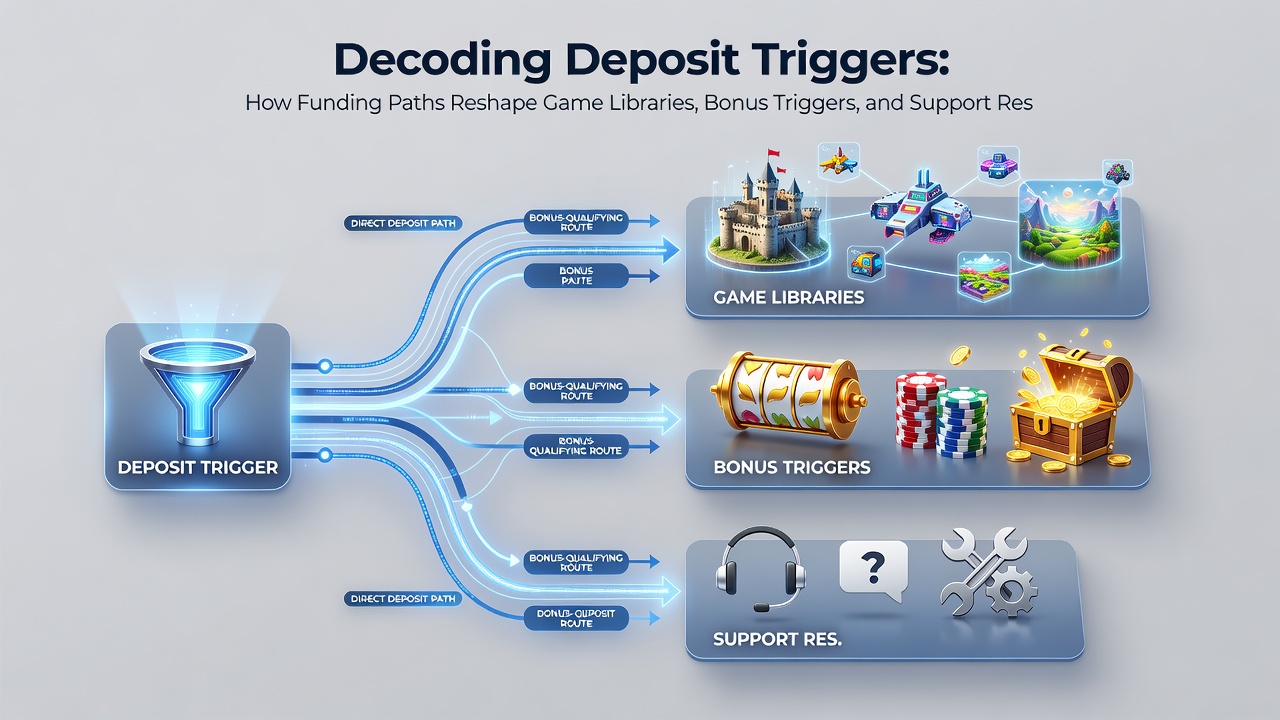
One case examined by researchers at academic institutions found that accounts funded through recurring direct deposits triggered faster support routing because the consistent transaction history signaled lower risk, which allowed automated systems to assign those queries to senior staff more quickly than sporadic deposits from alternative sources, and this pattern holds across numerous app ecosystems even as overall response benchmarks improve through better staffing models.
Regional Patterns in Funding Integration
Patterns linking funding choices to reward unlocks appear consistently in reports from various regulatory bodies, and data collected in North America through agencies such as the Federal Trade Commission highlights how certain deposit routes correlate with quicker profile adjustments that include both library expansions and bonus eligibility, whereas similar studies in Asia-Pacific regions note variations driven by local payment preferences that affect how rapidly support networks engage with user queries.
Those who have examined transaction logs across platforms observe that the interplay between funding paths and system responses creates feedback loops where faster bonuses lead to increased engagement, which then influences future support priority, and this cycle repeats with each new deposit cycle as algorithms continue to refine their matching criteria based on accumulated user behavior data.
Conclusion
The connections between deposit routes, game library access, bonus timing, and support efficiency form a measurable framework within app ecosystems that continues to evolve with each update to payment processing standards, and evidence from ongoing monitoring efforts confirms that users who understand these relationships can align their funding decisions with desired outcomes in library breadth, reward activation, and assistance speed without relying on assumptions about uniform platform behavior.